Select Your Shaker Type
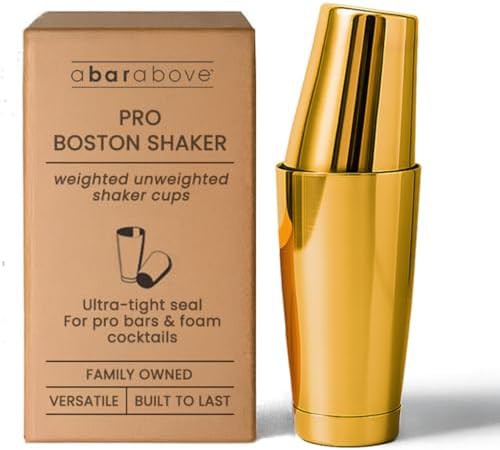
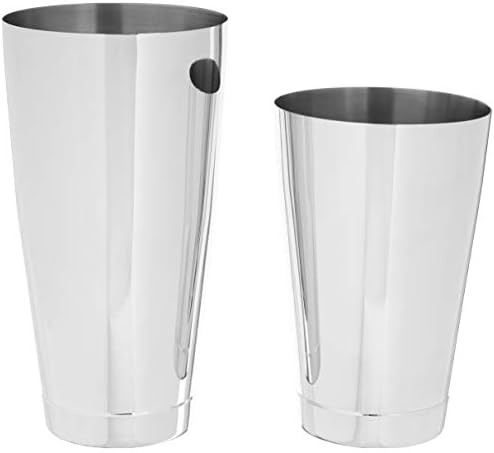
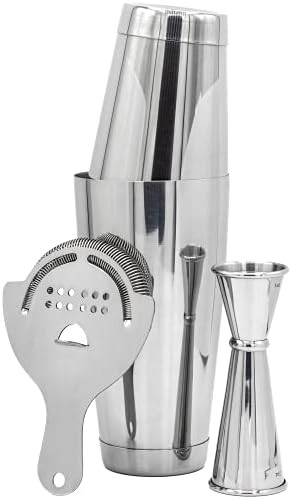
Beginners often prefer the all-in-one cobbler with a built-in strainer, while professionals typically opt for the speed and volume of a weighted Boston shaker set.
From the rhythmic snap of a weighted Boston tin to the elegant pour of a glass cobbler, the right shaker defines the ritual of the craft. We track 558 live products across to help you find the specific tool that fits your home bar or professional station.

We bypass the marketing noise to categorize shakers by their physical construction, volume capacity, and functional accessories.
Whether you require a 14-piece mixology kit with a stand or a single etched tin for a minimalist setup, these categories represent the most sought-after configurations.
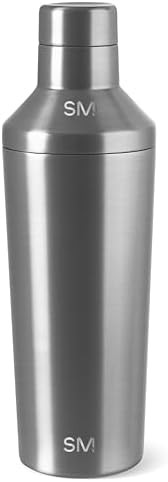
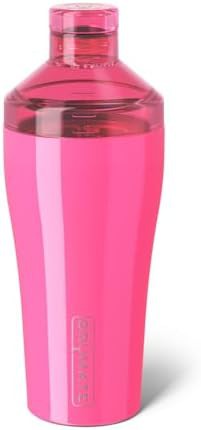
Sleek, insulated Boston shakers designed for the modern lifestyle, offering a leak-proof experience in a variety of contemporary colors
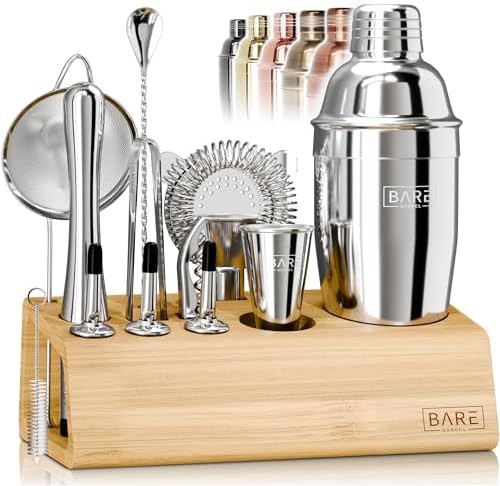
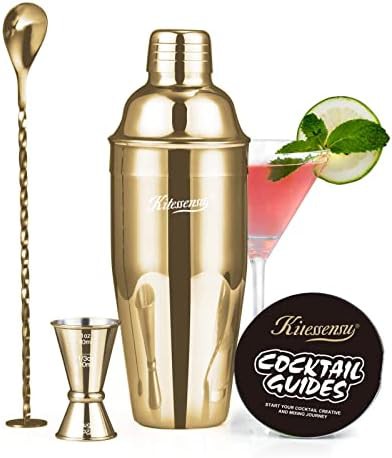
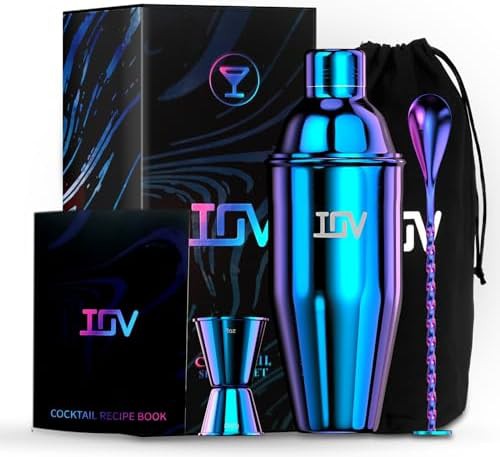
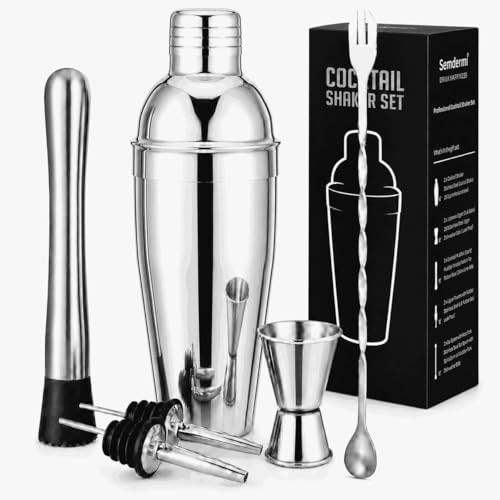
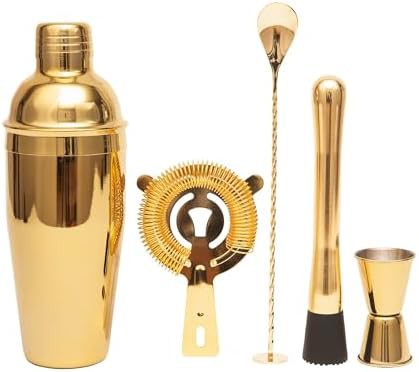
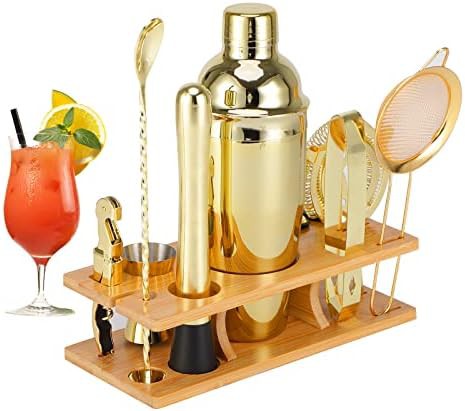
Designed for the dedicated home bartender, these comprehensive mixology sets provide everything needed to master classic martinis and complex craft drinks
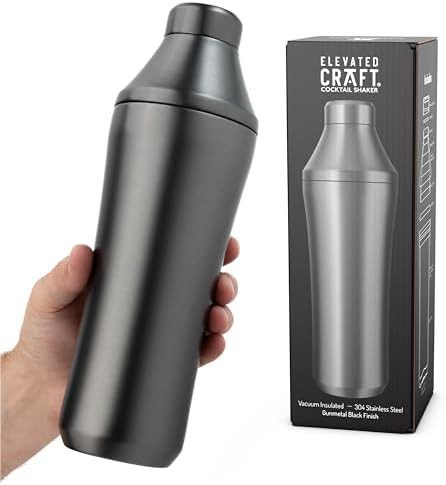
Experience the intersection of thermal engineering and luxury design with vacuum-insulated shakers that keep drinks cold without freezing your hands
Explore our indexed list of, organized by finish, volume, and specialized features like integrated recipes or measurement markings.
8.8
8.7
8.4
 8.4
8.4
 8.4
8.4
 8.2
8.2
 8.2
8.2
 8.0
8.0
 8.0
8.0
 8.0
8.0
 8.0
8.0
 8.0
8.0
 7.9
7.9
 7.8
7.8
 7.8
7.8
 7.8
7.8
 7.7
7.7
 7.6
7.6
 7.6
7.6
 7.5
7.5
 7.5
7.5
 7.5
7.5
 7.5
7.5
 7.4
7.4

Beginners often prefer the all-in-one cobbler with a built-in strainer, while professionals typically opt for the speed and volume of a weighted Boston shaker set.
An 18 oz or 24 oz shaker is ideal for single or double servings, whereas a 28 oz tin provides the space needed for high-volume mixing or egg-white cocktails.
Consider whether you need a standalone vessel or a complete set including a jigger, mixing spoon, muddler, and recipe cards to round out your kit.
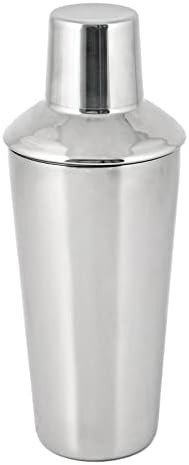
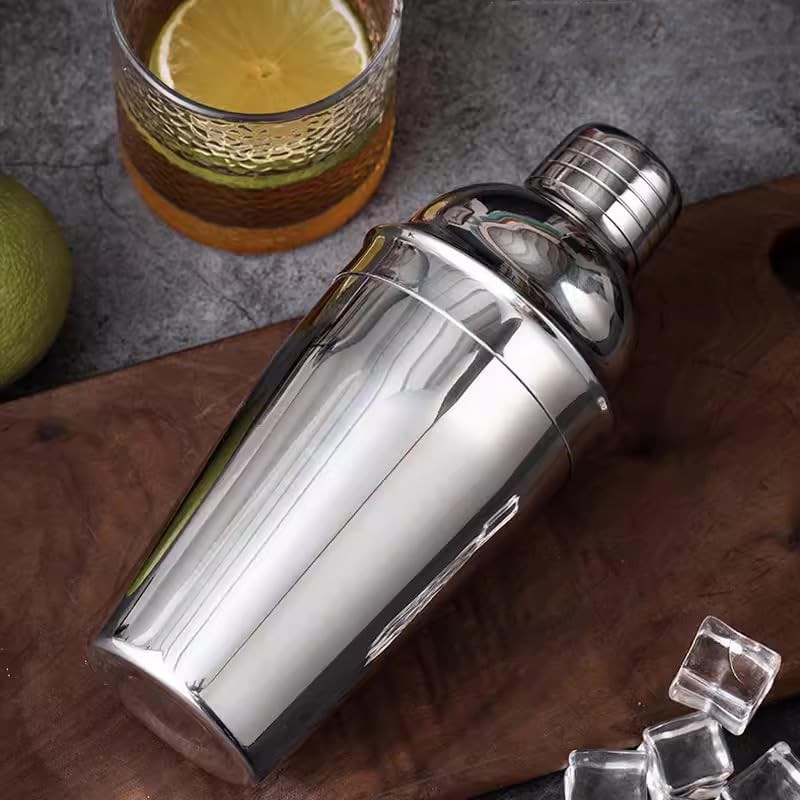
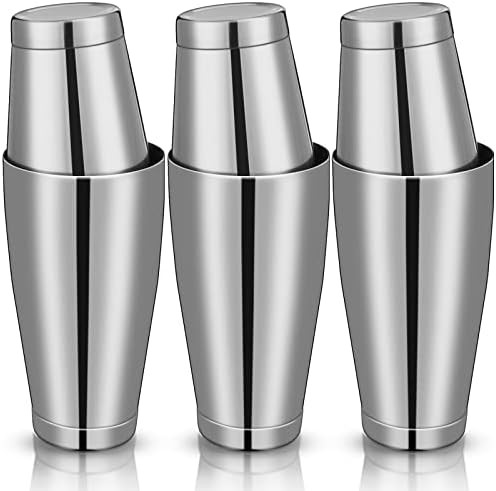
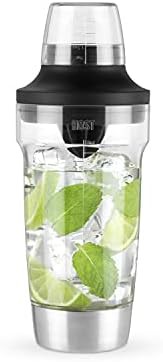
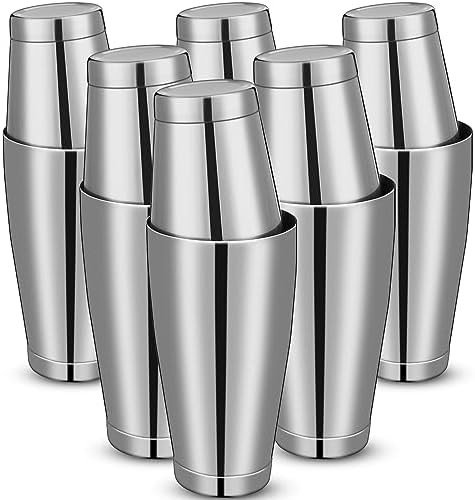
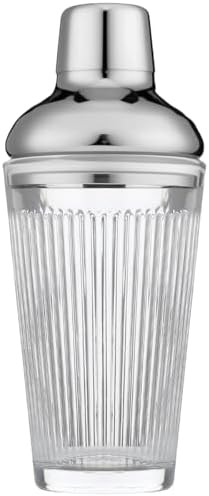
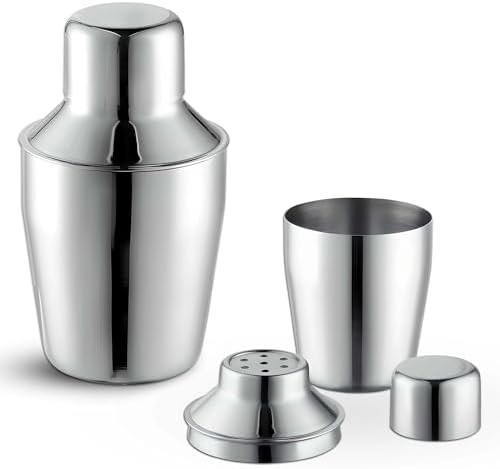
A Boston shaker consists of two nesting tins that require a separate strainer, offering more volume and faster cleanup for high-volume use. A Cobbler shaker is a three-piece design including a base, a lid with a built-in strainer, and a small cap that often doubles as a jigger.
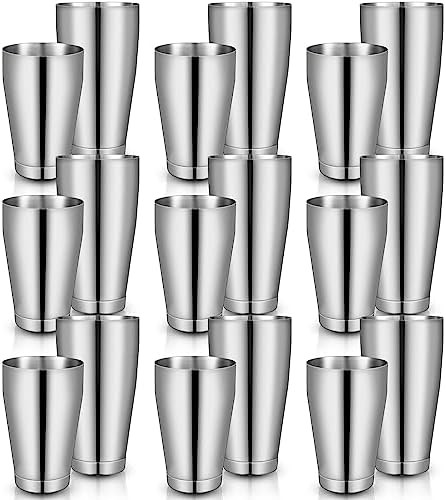
Weighted shakers feature a reinforced metal plate on the bottom of the tins to provide extra stability and heft. This added weight makes the tins easier to handle during vigorous shaking and helps them stay upright on the bar surface.
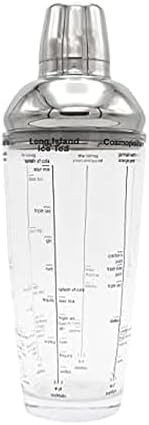
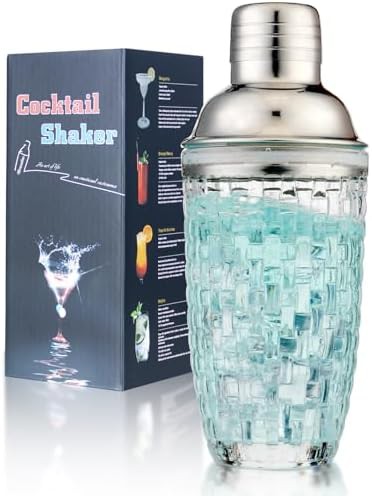
Glass shakers offer the benefit of transparency and often feature printed recipes or measurements, but they are more fragile than metal. Stainless steel, particularly 304 or 18/8 food-grade, is preferred for its rust-proof durability and ability to chill drinks rapidly.
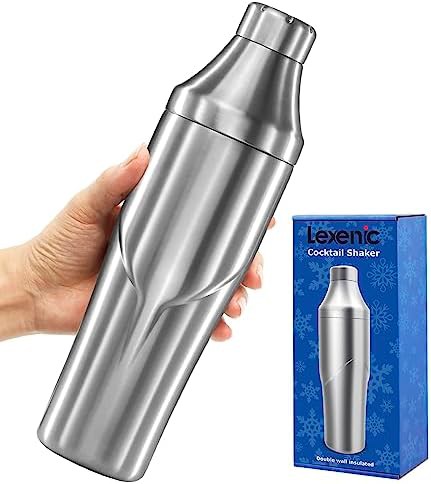
Vacuum-insulated shakers utilize double-wall construction to keep ice from melting quickly, preventing over-dilution of the cocktail. This design also keeps the exterior of the shaker from becoming uncomfortably cold or forming condensation during use.